
 Products
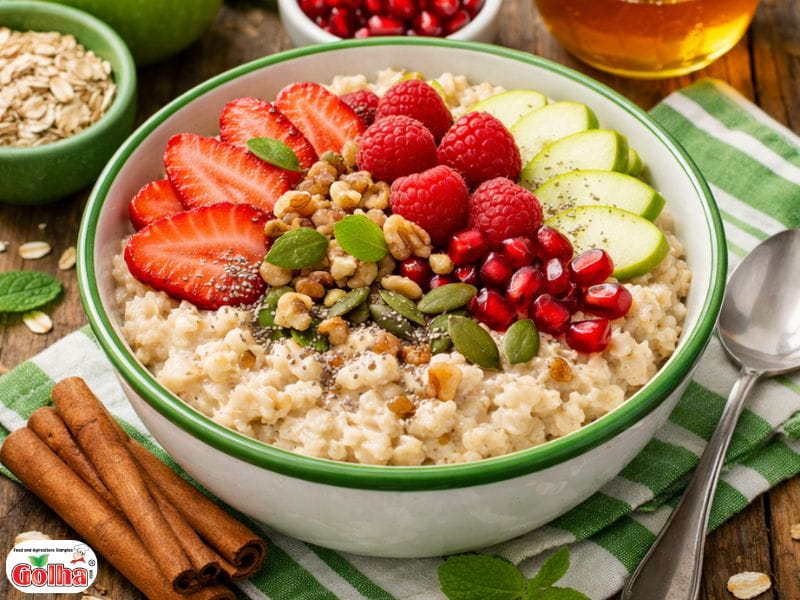
Oatmeal is often described as a simple breakfast. In reality, preparing it well requires understanding the right texture, ratios, and cooking method.
A properly cooked bowl of oatmeal should be creamy, balanced, and satisfying — not watery, overly thick, or bland. Small adjustments in heat, liquid, and timing can significantly improve the final result.
This guide explains how to cook oatmeal correctly, how different types of oats affect texture and nutrition, and how to prepare practical variations suitable for weight management, muscle gain, or everyday healthy eating.
How to make Oatmeal Correctly
Proper oatmeal preparation depends on three key factors:
- Correct liquid-to-oat ratio
- Controlled heat
- Adequate resting time
Stovetop Oatmeal
Ingredients (2 servings):
- 1 cup oat flakes (rolled oats)
- 2 cups milk or water
- Pinch of salt
- Optional: 1 teaspoon butter
Instructions:
- Heat the liquid in a saucepan until it reaches a gentle boil.
- Add oats and immediately reduce heat to low.
- Simmer for 5–7 minutes, stirring occasionally.
- Remove from heat when the texture is slightly looser than desired. Oatmeal thickens as it rests.
- Allow it to sit for 1–2 minutes before serving.
A small amount of salt enhances flavor, even in sweet variations.
Microwave Oatmeal
Ingredients (1 serving):
- ½ cup rolled oats
- 1 cup milk or water
Instructions:
- Combine ingredients in a large microwave-safe bowl.
- Microwave on high for 2 minutes.
- Stir thoroughly.
- Continue heating for 30–60 seconds if necessary.
- Let stand for 1 minute before serving.
Using a larger bowl helps prevent overflow.
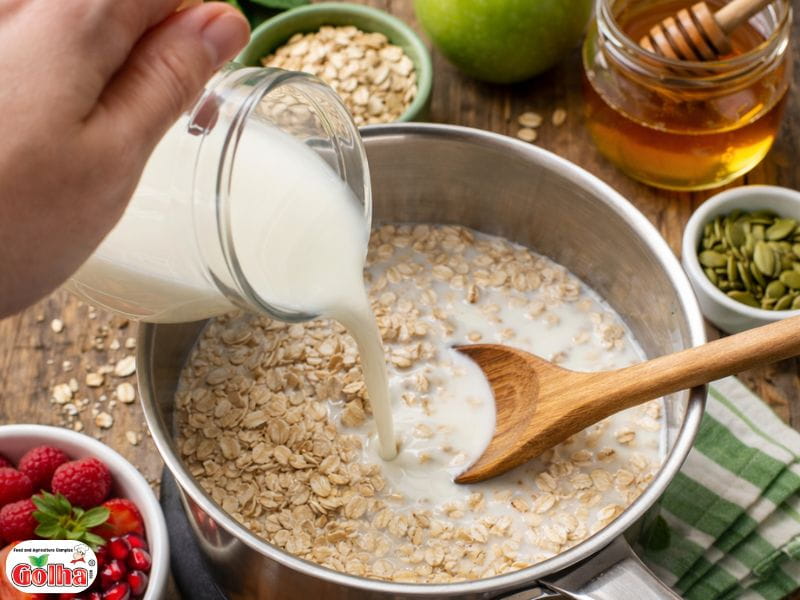
oatmeal overnight recipe
Ingredients:
- ½ cup rolled oats
- ½ cup milk
- ½ cup Greek yogurt
- 1 tablespoon chia seeds
Instructions:
- Mix all ingredients in a sealed container.
- Refrigerate for at least 6 hours or overnight.
- Stir before serving and adjust consistency if needed.
The oats absorb liquid gradually, resulting in a thick, ready-to-eat texture.
Steel-Cut Oats
Ingredients (2 servings):
- 1 cup steel-cut oats
- 3 cups water
- ½ teaspoon salt
Instructions:
- Bring water to a boil.
- Add oats and reduce heat to low.
- Simmer for 20–30 minutes, stirring occasionally.
- Cook until tender but slightly chewy.
- Add milk at the end if a creamier consistency is desired.
Practical Oatmeal Variations
Oatmeal can be adapted for different nutritional goals without becoming overly complex.
Banana and Nut Butter Oatmeal
Add sliced banana during the final minute of cooking. Stir in one tablespoon of natural peanut or almond butter before serving. This combination increases satiety through healthy fats and additional protein.
Apple Cinnamon Oatmeal
Add finely diced apple and cinnamon while cooking. The apples soften and release natural sweetness without added sugar.
Cocoa Oatmeal
Stir one tablespoon unsweetened cocoa powder into cooked oats. Add a small amount of dark chocolate if desired. This variation provides flavor without excessive sweetness.
Berry Oatmeal
Top warm oats with fresh or frozen berries and seeds. This increases fiber and antioxidant intake.
High-Protein Oatmeal
After cooking, mix in a scoop of unflavored or vanilla protein powder. Adjust liquid slightly to maintain consistency.
Oatmeal Water Ratio
The water-to-oat ratio plays a critical role in determining the final texture of oatmeal. Using too little liquid can result in thick, dry oats, while too much liquid may produce a thin or watery consistency.
As a general guideline, rolled oats require a 2:1 ratio — two cups of water (or milk) for every one cup of oats.
Steel-cut oats typically need slightly more liquid, about 3 cups of water per one cup of oats, due to their denser structure and longer cooking time.
Adjusting this ratio slightly allows you to achieve a creamier or firmer texture based on personal preference, but maintaining the proper baseline ratio ensures consistent and balanced results.
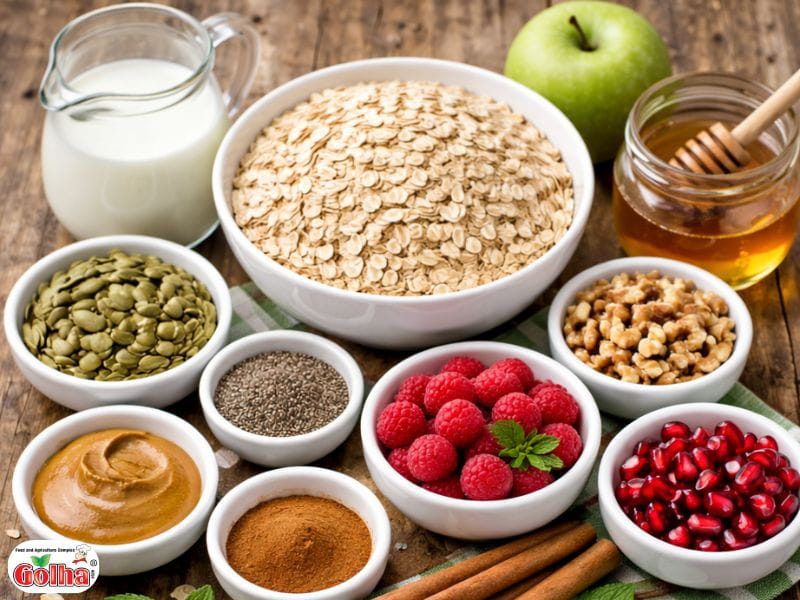
Is Oatmeal Suitable for Weight Loss?
like other cereals, Oatmeal can support weight management when portions and toppings are controlled. Its fiber content promotes fullness, which may reduce overall calorie intake. However, excessive sweeteners, syrups, or large quantities of nut butter can significantly increase calories.
For balanced results:
- Include a protein source
- Limit added sugars
- Monitor portion size
Common Mistakes When Cooking Oatmeal
- Using high heat throughout cooking
- Adding insufficient liquid
- Skipping salt
- Over-sweetening
- Not allowing resting time
Correcting these small issues can noticeably improve texture and flavor.
Understanding the Different Types of Oats
The type of oats you choose directly affects cooking time, texture, and overall experience.
Rolled oats are steamed and flattened. They cook relatively quickly and produce a soft yet structured texture. They are suitable for stovetop oatmeal, overnight oats, and baking.
Quick oats are processed further and cook faster, resulting in a softer consistency. They are convenient but slightly less textured.
Steel-cut oats are minimally processed and cut into small pieces rather than rolled. They require a longer cooking time and produce a firmer, chewier texture. Many people prefer them for their hearty consistency and slower digestion.
Instant oats are pre-cooked and dried. They offer convenience but may contain added sugars depending on the product.
Choosing the appropriate type depends on available time and preferred texture.
Final Thoughts
Oatmeal remains one of the most practical and adaptable breakfast options available. When prepared correctly, it delivers balanced nutrition, sustained energy, and flexibility for different dietary goals.
Understanding proper technique transforms oatmeal from a basic grain into a consistent, reliable part of a healthy routine.
” Thanks for staying with Golha until the end of this tutorial “