
 Products
Introduction to Persian Cooking: Heritage and Flavor Balance
Rooted in millennia of shared memory and migration, Persian cuisine dances at the crossroads of subtlety and surprise. Rather than relying on fiery intensity, its taste architecture leans into carefully orchestrated harmony—meats in gentle interplay with tart fruits, nuts whispering through soft stews, and brilliance in modest spice infusions. Pause. Consider the chemistry of saffron swirling through basmati steam, or the soft-assertive ping of dried lime unraveling into a broth’s slow heartbeat. Dishes such as Ghormeh Sabzi—an emerald mosaic of herbs punctuated with kidney beans and citrusy depth—or Fesenjan, cloaked in molasses-dark pomegranate and walnuts, illustrate domestic complexity disguised as comfort.
Unlike the hurried sensuality of trend-hungry cuisines, this is food that thinks. Meals in this tradition are not consumed; they’re participated in—markers of reverence, signposts of gathering. The heritage shines not just in ingredients, but in intention: balance without neutrality, boldness without brashness [Source], [Source].
Essential Persian Ingredients: Staples in Every Kitchen
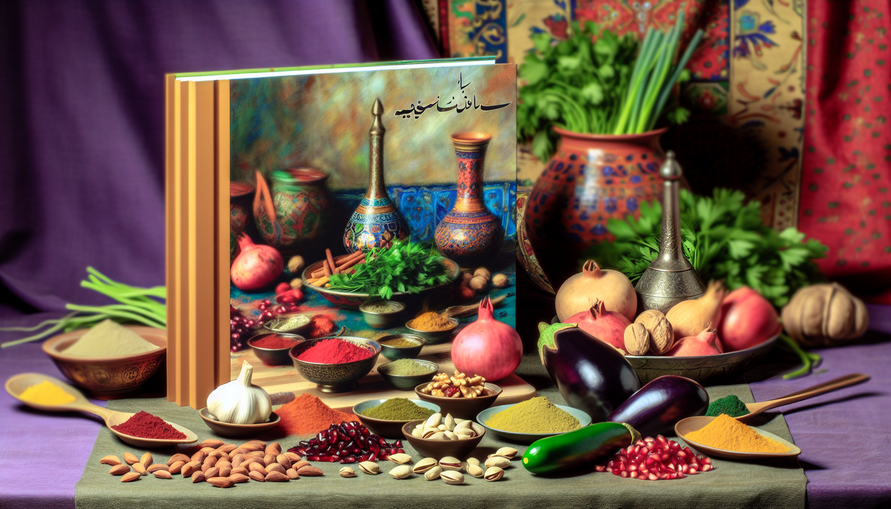
The quiet cosmos of Persian cuisine stirs with flavor harmonies drawn from unexpected corners—sour fruits, perfumed herbs, and spices finely woven together. Essential ingredients act as edible traditions passed between generations:
- Dried Limes (Limoo Amani): Hard, sun-aged limes that offer a haunting citrus smoke, anchoring stews like Ghormeh Sabzi.
- Saffron: “Sunlight packaged into crimson filaments,” elevating dishes with floral and metallic notes.
- Pomegranate Molasses: Thick, tart elixir essential in rich stews like Fesenjoon.
- Advieh (Persian Spice Blend): A poetic blend layering cinnamon, dried rose petals, cardamom, turmeric, and nutmeg that hums rather than burns.
These pillars provide depth over dominance, memory over monotony. To explore the rich aroma map of Advieh and classic recipes, check out the detailed guide and archive here: Advieh guide, Traditional Recipes [Sources].
The Magic of Persian Spices and Their Health Benefits
Persian spices do more than flavor; they weave wellness into every dash. For instance:
- Cinnamon: Anti-inflammatory, antioxidant, and digestive aid that also protects skin health.
- Turmeric: Contains curcumin, which combats depression, modulates sleep, and fights cellular wear.
- Sumac: Sharp and citrusy, its polyphenols exhibit anticancer potential and inflammation reduction.
- Ginger: Eases digestion, motion sickness, and evokes calm.
- Cumin: Supports gut health and immune function through antimicrobial and iron-rich properties.
- Cardamom: Soothes gastrointestinal issues and possibly reduces phlegm.
The fusion of these spices forms a larger mosaic of culinary and medicinal harmony—culinary exploration yielding somatic benefits. Dive deeper into this tradition in specialized spice apothecary collections at Golha Co [Source].
The Role of Fresh and Dried Ingredients: From Rose Petals to Pistachios
Fresh herbs like tarragon and dill sketch nuanced flavor outlines, while dried ingredients—barberries, dried lime, rose petals, and pistachios—punctuate dishes with complexity and texture. Rose petals provide a cool floral aroma that resists sweetness; pistachios add buttery crunch and color.
Persian cooking balances contrasts—a syrupy apricot offsets tart dried pomegranate, bone-dry mint awakens yogurt. This layering creates an oddly mathematical emotional payoff and a narrative told through each ingredient. Over time, the sensory interplay softens, culminating often in a closing cup of rosewater tea that carries the legacy forward.
Persian Pantry Tips: Stocking and Sourcing Authentic Ingredients
Finding true Persian staples demands exploration beyond the supermarket. Middle Eastern markets and bazaars like Tehran’s Grand Bazaar or Shiraz’s Vakil offer saffron that sings and dried limes rich with promise. Haggling is tradition, cash preferred, and experience guides discovery.
If local bazaars aren’t accessible, online sources such as Persian Basket provide fast delivery of staples like barberries and traditional naan. Look for trusted brands like Sadaf for saffron intensity. Online shopping eases access but requires careful pantry management to avoid overbuying and spoilage. Check ingredient freshness regularly, since herbs fade and spices lose potency.
In melding in-person instinct with online convenience and pantry vigilance, your kitchen moves from stocked to alive with authentic Persian flavors.
Cooking Techniques that Preserve Nutrients and Enhance Flavor
Persian cooking is celebrated less for flashy techniques and more for nutrient-preserving methods layered with flavor. Baking, as seen in khoresh and kookoo sabzi, gently coaxes essence from herbs and spices without excess oil. Slow simmering unlocks the full character of saffron, turmeric, and dried lime while retaining their health benefits.
Preservation techniques—drying herbs, fermenting dairy into kashk, pickling vegetables—extend shelf life and expand flavor dimensions, often enhancing gut health. The tradition of balancing “hot” and “cold” ingredients reflects not just flavor but bodily effects, such as cooling spearmint tea after oily dishes or warming aged garlic pickles in winter.
These culinary philosophies imbue meals with both poetry and well-being, transforming cooking into a dialogue between nourishment and culture.
Incorporating Persian Ingredients into Everyday Meals
You don’t need ceremonial preparation to enjoy Persian flavors—start small and creatively:
- Roasted Vegetables: Dust with turmeric, cumin, and cinnamon for a smoky warmth that surprises.
- Soups and Stews: Add saffron strands or pierced dried lime to deepen flavors with subtle complexity.
- Rice: Steep in cardamom and saffron for a signature golden hue and lush aroma.
- Yogurt: Fold with dried mint, cucumber, and sea salt to create a refreshing mast o khiar side.
- Pomegranate Molasses: Use sparingly in dressings, glazes, and spreads to add tart-sweet intrigue.
These modest acts enliven everyday meals and grow your cooking voice richer and more layered [Source], [Source].
Conclusion: Embracing the Healthful Richness of Persian Cuisine
At its heart, Persian cuisine champions wellness through botanical herbs, pulses, and nut-based dishes, nourishing both palate and body in balanced harmony. Lentils, chickpeas, and omega-3 rich saffroned trout offer robust nutrition often gentler than meat. The slow, communal rhythm of meals invites mindfulness, gating consumption and deepening enjoyment.
Preparation itself—balancing spices like sumac and turmeric with care—tells a story of human connection and imperfection. To embrace Persian cooking is to join a practice of health-conscious indulgence and cultural continuity. Those intrigued may explore herbal-laced recipes and nuanced perspectives on digestion and flavor in expert culinary collections like Taste of Chelo or Meer [Source].