
 Products
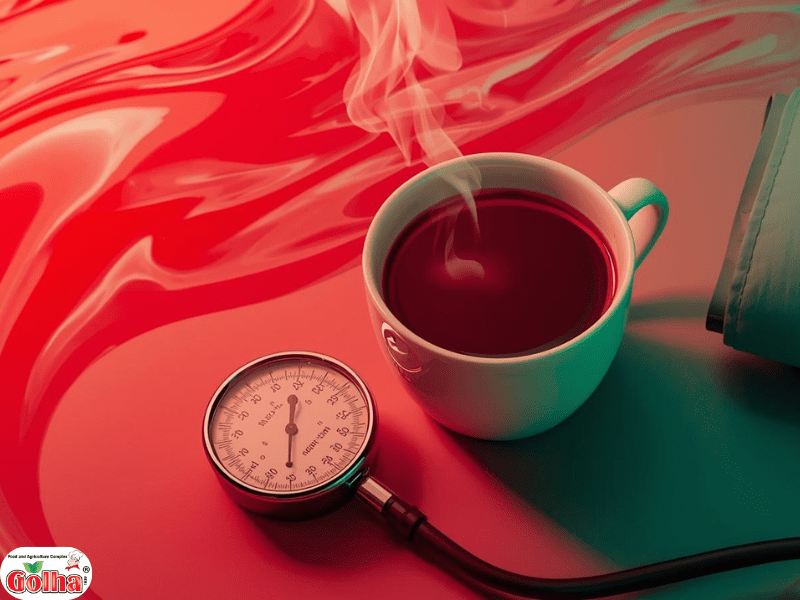
In answer to the question of whether coffee raises blood pressure or not, we must say Yes. in individuals who are not used to consistent coffee consumption, even drinking one cup can cause a temporary rise in blood pressure. This increase is usually slight, only a few millimeters of mercury (mmHg), and primarily happens due to the stimulating effect of caffeine on the nervous system. In contrast, those who drink coffee daily gradually develop a tolerance to this effect, and their bodies show less of a reaction; some research even suggests that regular coffee consumption may be associated with a slight reduction in blood pressure.
Effects of coffee on blood pressure
Coffee is one of the world’s most popular beverages, which has been the focus of many medical studies due to its high caffeine and antioxidant content. Understanding its impact on blood pressure requires examining its short-term and long-term effects:
1. Short-Term (Acute) Effect of Coffee on Blood Pressure
After drinking coffee, caffeine is quickly absorbed into the bloodstream and exerts a stimulating effect on the Central Nervous System (CNS) and the Cardiovascular System.
- Temporary Blood Pressure Increase: Caffeine, as an adenosine antagonist, blocks adenosine receptors. Adenosine naturally dilates blood vessels and reduces heart rate, and by blocking it with caffeine, the opposite effect occurs.
- Main Mechanisms:
- Stimulation of the Sympathetic Nervous System: Caffeine causes the secretion of catecholamines, such as adrenaline (epinephrine), from the adrenal glands. Adrenaline increases heart rate (increasing cardiac output) and causes vasoconstriction (narrowing of blood vessels), both leading to an increase in blood pressure.
- Pressure Increase: This temporary increase usually starts between 30 to 120 minutes after consumption and may last up to 4 hours. In individuals who do not drink coffee regularly or have high caffeine sensitivity, this increase can be more pronounced (on average about 5 to 15 mmHg).
2. Long-Term (Chronic) Effect of Coffee on Blood Pressure
Long-term studies on regular coffee consumption show differing results that are generally reassuring and not associated with an increased risk of developing high blood pressure (hypertension) in the long run.
- Variability and Tolerance: In individuals who drink coffee daily, the body becomes resistant to the effects of caffeine. This means that the short-term blood pressure increase becomes less noticeable or disappears entirely over time.
- Antioxidant Protective Effects: Coffee is rich in beneficial compounds like polyphenols and chlorogenic acid. These substances have anti-inflammatory and antioxidant properties that can help improve the function of the inner lining of blood vessels (endothelium) and, consequently, contribute to vascular health in the long term. Some studies have shown that regular and moderate consumption of coffee may even be associated with a slight reduction in the risk of cardiovascular diseases, including high blood pressure.
- Conflicting Results: Some systematic reviews have shown a mild and statistically significant increase (about 2 to 3 mmHg) in systolic and diastolic blood pressure with chronic consumption, but this increase is generally considered negligible and lacks major clinical significance.

Medical Recommendations and Individual Considerations
- Individual Caffeine Sensitivity: Genetics plays a significant role in how the liver metabolizes caffeine. People who are slow metabolizers experience caffeine’s effects for a longer period and may be more susceptible to increased blood pressure.
- Amount and Type of Consumption:
- Dose: Moderate consumption (about 300 to 400 mg of caffeine per day, equivalent to 4 to 5 normal cups) is considered safe for most healthy adults. Excessive consumption can increase side effects such as anxiety, insomnia, and heart palpitations.
- Type of Coffee: Coffees prepared using unfiltered methods (such as Turkish coffee or Espresso) may have a greater effect on increasing cholesterol, although the direct impact on blood pressure is mainly related to caffeine.
- Health Status:
- Individuals with High Blood Pressure: People with uncontrolled high blood pressure, or those generally suffering from cardiovascular diseases, should consume coffee more cautiously and must consult their doctor. In these individuals, a temporary increase in blood pressure can be undesirable.
- Blood Pressure Measurement: Sensitive individuals are advised to measure their blood pressure before drinking coffee and again 30 to 120 minutes afterward to become aware of their body’s reaction.
For most healthy adults, moderate coffee consumption is not associated with an increased risk of long-term high blood pressure and may even have benefits for heart health due to its antioxidant content. However, one must be aware of the temporary increase in blood pressure immediately after consumption, especially if you have a history of high blood pressure or caffeine sensitivity.
Impact of Different Coffee Types on Blood Pressure
| Type of Coffee / Brewing Method | Impact on Blood Pressure (Due to Caffeine) | Other Characteristics (Relevant to Vascular Health) | Recommended Intake (For Sensitive Individuals) |
|---|---|---|---|
| Espresso | Strongest and most sudden increase | Concentrated caffeine in a small volume; often contains more oils if not paper filtered. | Limited: Max 1 shot per day, preferably with food. |
| Filtered Coffee (Drip/Pour-Over) | Temporary, but milder increase | Use of paper filter, removing harmful fats and oils that damage cholesterol and vascular health. | Moderate: 1 to 2 small cups per day (provided blood pressure is controlled). |
| French Press | Temporary increase | No paper filter; highest oil content, which can increase cholesterol and indirectly affect vascular health. | Avoid or consume rarely. If consumed, use Arabica beans. |
| Instant Coffee | Temporary and variable increase | Caffeine content is usually lower than espresso or drip coffee, but entirely depends on the brand and concentration. | Moderate: 1 to 2 small cups, considering the exact caffeine dose. |
| Decaf Coffee (Decaffeinated) | Minimal effect | Although not completely caffeine-free, the remaining dose (about 2 to 15 mg) has no significant effect on blood pressure. | Safe alternative: Can be consumed without major restrictions (except in specific medical cases). |
| Robusta Beans | Highest potential for blood pressure increase | Highest caffeine content (up to 3 times Arabica); usually has a stronger flavor. | Avoid and use Arabica beans instead. |
| Arabica Beans | Lowest potential for blood pressure increase | Less caffeine than Robusta; contains beneficial antioxidant compounds. | Preferred. |
For Whom is Coffee Prohibited?
The following individuals should limit or manage their consumption:
- Individuals with very high blood pressure (above 160/100)
- Individuals who experience symptoms like heart palpitations, headache, or anxiety after coffee
- Individuals with severe anxiety or sleep disorders
- Individuals for whom a doctor has set a caffeine restriction

Best Coffee Consumption Method for People with High Blood Pressure
If an individual has high blood pressure but consumption has not been prohibited by a doctor, they can have safer consumption by observing the following tips:
- Measuring blood pressure 30 to 60 minutes after drinking coffee
- Choosing coffee with less caffeine, such as Arabica or a mild brew
- Dividing consumption into several small servings instead of one large cup
- Avoiding coffee close to bedtime
- Paying attention to the interaction of coffee with blood pressure medications
| Question | Brief Answer |
|---|---|
| What in coffee raises blood pressure? | Caffeine, by stimulating the nervous system and increasing the secretion of adrenaline, which causes vasoconstriction. |
| How long does this increase last? | Usually between 30 minutes to 4 hours after drinking coffee, and then returns to normal. |
| Is daily consumption harmful? | No. Permanent consumers often develop tolerance, and no negative long-term effect or increased risk of long-term high blood pressure has been observed. |
| Can people with high blood pressure drink coffee? | It is better to consume with caution and under a doctor’s supervision. If blood pressure is controlled, moderate consumption is often safe. |
Strategies to Reduce High Blood Pressure Caused by Coffee Consumption
If you experience a temporary increase in blood pressure or heart palpitations after drinking coffee, several quick and long-term strategies can help manage and reduce these effects:
1. Immediate and Short-Term Strategies
If you feel your blood pressure has gone up immediately after consuming coffee, you can take the following steps:
- Increase Water Intake: Caffeine is a mild diuretic and can cause temporary dehydration. Drinking enough water helps dilute the caffeine in your system and can also help balance electrolytes and improve kidney function, so drink one or two large glasses of water immediately.
- Deep Breathing and Relaxation Techniques: Caffeine stimulates the sympathetic nervous system (fight or flight). Slow, deep breathing activates the parasympathetic nervous system (rest and digest) and helps reduce heart rate and blood pressure. So, sit in a quiet place for a few minutes and perform diaphragmatic (abdominal) breathing; a deep 5-second inhale and a slow 7-second exhale.
- Gentle and Slow Movement: A light walk or a few gentle stretches can help open up blood vessels and direct blood flow to the muscles, which temporarily reduces the overall pressure in the vascular system. Avoid intense exercises, but walk around the house or workplace slightly.
- Vitamin C Consumption for Caffeine Metabolism: While Vitamin C consumption is not recommended as a direct “antidote” for caffeine, it can assist with the metabolism or faster elimination of caffeine, and adding foods rich in Vitamin C (such as citrus fruits, berries, and bell peppers) to your diet generally contributes to cardiovascular health, which is essential for managing blood pressure.
2. Preventive Strategies
The best strategy is to prevent a severe blood pressure increase from occurring:
- Reduce Caffeine Dose:
- Drink a small cup instead of a large one, or gradually reduce the number of cups throughout the day. Also, use Decaf or coffees that are naturally lower in caffeine (such as some Arabica beans). Decaf coffee still has flavor, but its caffeine is significantly reduced.
- Timing of Consumption:
- Do not drink coffee immediately after waking up. The body’s cortisol (stress hormone) level is high in the morning; combining caffeine with this cortisol can have a double stimulating effect. The best time to drink coffee is usually around 9:30 to 11:30 AM.
- Combining Coffee with Food:
- Consuming coffee on an empty stomach causes rapid caffeine absorption and a sudden spike in the blood. Consuming it with a balanced meal (especially one containing fiber and protein) slows down the absorption rate. Therefore, enjoy your coffee with breakfast or a snack.
3. Long-Term Strategies (Lifestyle Changes)
If a blood pressure increase after coffee is a recurring issue, you must focus on improving overall cardiovascular health:
- Reduce Salt (Sodium) Intake: Reducing sodium is one of the most effective methods for lowering blood pressure in general.
- Increase Potassium and Magnesium Intake: These minerals counteract the effects of sodium and help relax the walls of the blood vessels. Good sources include bananas, sweet potatoes, spinach, and avocado.
- Regular Exercise: Regular physical activity (such as 30 minutes of brisk walking per day) naturally helps strengthen the heart, reduce vascular stiffness, and lower blood pressure.
- Stress Management: Chronic stress causes the continuous release of adrenaline and keeps blood pressure elevated. Yoga, meditation, and spending time in nature help reduce stress.
Note: If the blood pressure increase after coffee is accompanied by severe symptoms like chest pain, severe dizziness, or shortness of breath, you must seek medical attention immediately. Also, if you have a history of high blood pressure, always consult a specialist before making significant changes to your diet.
4. Mild Brewing Methods
In addition to preventive strategies, choosing the brewing method and the type of coffee bean can significantly impact the amount of caffeine and lipid compounds entering your beverage, which in turn affects blood pressure and general health.
| Brewing Method | Impact on Caffeine and Oils | Milder Characteristics |
|---|---|---|
| Filtered Coffee (such as Drip Machine or CEMEX) | Lowest amount of fat and caffeine compared to espresso. The paper filter absorbs the natural coffee oils that may increase blood cholesterol. | This method is the mildest and healthiest in terms of its effect on cholesterol and blood pressure. |
| French Press | Highest amount of oil. Due to not using a paper filter, all fats and oils from the coffee enter the cup directly. | Not recommended for sensitive individuals; unless separate filters are used after brewing. |
| Espresso | High caffeine in a small volume. Caffeine is rapidly extracted and consumed in small volumes (shots). | It is best to avoid consuming multiple espresso shots in close succession. |

Key Conditions for Coffee Consumption
| Blood Pressure Status | Consumption Recommendation | Important Considerations |
|---|---|---|
| Controlled Hypertension | Moderate consumption is permitted. | If your blood pressure is regularly controlled with medication or diet and is within the normal range, moderate consumption (about 1 to 2 cups per day) usually poses no risk. |
| Uncontrolled Hypertension | Consumption must be limited or stopped. | Caffeine can cause a sudden and dangerous increase in blood pressure (Peak BP). These fluctuations are highly detrimental to cardiovascular health. |
| High Blood Pressure Accompanied by Other Cardiac Conditions | Medical consultation is mandatory. | If, in addition to high blood pressure, you have a history of arrhythmia (irregular heartbeat) or other heart diseases, the stimulating effect of caffeine can worsen your condition. |
The Effect of Caffeine on Individuals with High Blood Pressure (Hypertension)
- More Severe and Temporary Increase: In individuals whose vascular system is already under pressure due to high blood pressure, caffeine can cause a more severe and sudden increase in blood pressure compared to healthy individuals. This situation is particularly dangerous for people who rarely drink coffee.
- Interference with Medications: Caffeine may interfere with the effectiveness of some blood pressure-lowering medications or exacerbate their side effects.
- BP Variability: Coffee consumption can increase daily blood pressure fluctuations, which is itself a risk factor for cardiovascular complications.