
 Products
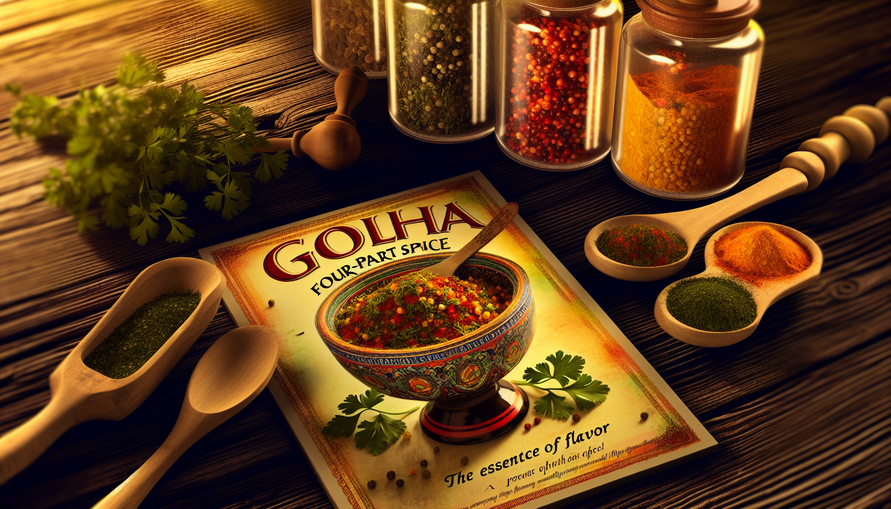
Introduction to Golha Four-Part Spice
Woven into the very fabric of epicurean memory, Golha Four-Part Spice resists easy categorization. More than just a seasoning, this blend is a product of generations of attentive hands, each contributing to its harmonious composition. It murmurs history with every granule, shaped not only by ancient trade winds but by ancestral instinct. Unlike many spice blends that play a polite supporting role, Golha Four-Part insists on narrative participation, evoking memories and stories with every taste. This blend transcends mere flavor enhancement to become a cultural compass, bridging the fragrant echoes of a grandmother’s kitchen with the innovation of modern culinary artistry. As the conversation around ethical sourcing and nutritional stewardship intensifies, it’s insightful to consider the parallels with bulk organic spice procurement, a topic explored in depth by Golha Co [Source].
The Four Key Ingredients
Golha Four-Part Spice is a culinary chrysalis where four distinct ingredients transmute into a deep, resonant harmony. The magic lies not in redundancy but in the nuanced interplay among these four elements:
- Sumac: Often underrated, sumac cuts through heaviness with a crisp, pomegranate-like tartness. It’s a subtle acidity—neither sharp vinegar nor sweet citrus—that serves as the quiet anchor of the blend.
- Dried Lime (Loomi): Loomi brings a dusky bitterness with faint molasses-smoke undertones, evoking images of ancient sun-cured citrus groves. It carries an intangible warmth and even a hint of heat, without overt spice.
- Black Lime Powder: Closely related to loomi, black lime adds a fermented, cellar-ripened tang reminiscent of a flavor once loved but soon forgotten. Its sourness is weathered and intrusive, intentionally designed to provoke curiosity.
- Coriander Seeds: Toasted gently, coriander offers warm notes akin to orange peel and crushed nuts. Unlike the bright acidity of the other ingredients, coriander provides a grounding invitation beneath the chaotic layers of flavor.
Together, these ingredients create a blend that is conversational rather than linear, balancing weight and lift, sourness and soot, memory and invention [Source].
Traditional and Modern Uses
Golha Four-Part Spice has long been treasured as a keystone in Middle Eastern and South Asian kitchens. In traditional cooking, it weaves its way into lamb stews and stuffed vegetables, lending tangy-earth notes that evoke the essence of home. The spice blend has functioned as more than a flavoring—it is a ritual of taste that anchors beloved dishes.
However, modern chefs have re-imagined this blend for contemporary palates and cuisines. It now appears rubbed onto smoky charred octopus in Lisbon eateries or stirred into vinaigrettes drizzled over avocado-mango salads in fusion cafés. Surprisingly, the spice’s granular complexity makes it an excellent rim seasoning for citrus-based cocktails, creating a delightful bite.
This evolution is not merely culinary innovation—it’s a form of time travel, tracing the blend’s journey from meat-centric origins to current plant-based dishes like vegan tempeh bowls. Its all-plant composition supports trends in food transparency, organic sourcing, and clean eating. While innovation flourishes, many chefs still revisit the comforting roots of this blend in traditional dishes, allowing for a rhythmic cycle between familiar and new flavors. For those eager to delve deeper, Golha Co provides an extensive repository of recipes and culinary inspirations [Source].
Tips for Cooking with Golha Four-Part Spice
Working with Golha Four-Part Spice requires a careful balance. Too much can overwhelm, while a nuanced touch reveals layers over time. It’s best to start with small pinches, stirring and pausing to engage your senses. Slow-cooked dishes, such as broths or braises, gently absorb the blend’s complexity, creating depth that unfolds with each bite.
Surprisingly, neutral ingredients like roasted squash, puffed rice, or steamed cauliflower provide excellent canvases, allowing the spice’s earthier notes to shine. When using proteins such as lamb chops or sea bass, massage the spice blend generously before cooking to develop a savory crust rich with ancient aroma. A finishing dusting just before serving can also transform a dish instantly.
For dressings or glazes, dissolve the spice first in warm broth or lightly warmed vinegar to ensure even dispersion and balance. Lemon juice and olive oil complement it well, while pomegranate molasses adds a more assertive dimension.
If creativity flags, revisiting classic kebab traditions or embracing the ritual of purchasing bulk organic spices can reignite culinary inspiration. Learning to meander through the intricacies of this blend rather than rushing to mastery invites discovery and personal expression in the kitchen [Source] [Source].