
 Products
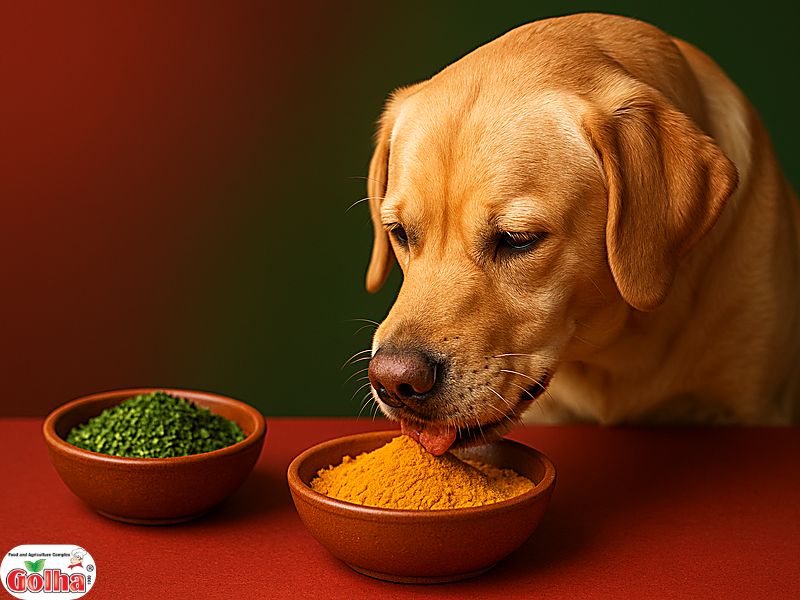
Pets play a significant role in our lives, and taking care of their health and nutrition is one of the primary responsibilities of pet owners. Spices, which are popular additives in human foods, can also be beneficial for pets. However, some spices may pose risks to animal health.
Dogs, as man's best friend, are loving and affectionate creatures. As a responsible pet owner, it is essential to know what is beneficial for them and what may be harmful. One of the things you should pay close attention to is knowing which spices are safe and which ones should be avoided for dogs.
Consuming spicy and aromatic foods can have unpleasant consequences for dogs and may jeopardize their health.
Harmful Spices for Dogs
To ensure your dog's health, it is crucial to be aware of spices and seasonings that can be harmful to them. Consuming these substances can have serious, and sometimes fatal, consequences for dogs. Below is a list of spices that should be completely removed from your dog’s diet:
Onions, Garlic, and Shallots
These contain sulfur compounds that can damage the red blood cells of dogs and cause severe anemia. This issue can occur even with small amounts of these ingredients.
Nutmeg
Nutmeg contains a substance called myristicin. Consuming this spice in large quantities can lead to hallucinations, increased heart rate, confusion, and seizures.
Red and Black Pepper
These peppers contain spicy compounds that severely irritate the dog's digestive system. This irritation can lead to stomach pain, diarrhea, and vomiting.
Cocoa contains theobromine, which is highly toxic to dogs. Consuming it can lead to heart problems, nervous system issues, seizures, and even death. The darker the cocoa, the higher the theobromine content.
Hops
Hops, often used in beer production, can cause malignant hyperthermia (a drastic increase in body temperature) in dogs. This is a medical emergency, and if untreated, it can be fatal.
Nutmeg (Repeated)
As mentioned, nutmeg contains myristicin. Even small amounts of it can lead to digestive discomfort, hallucinations, increased heart rate, and seizures.
Parsley
Generally, parsley is not toxic to dogs and can even help freshen their breath in small amounts. However, excessive consumption can lead to digestive problems. Also, the spring parsley variety contains furanocoumarins, which can be toxic to dogs.
Cinnamon
Like parsley, cinnamon is usually not toxic in small amounts. However, large amounts can irritate the mouth and cause digestive discomfort, such as vomiting and diarrhea. Inhaling cinnamon powder can also lead to respiratory problems and lung irritation.
Mint
Some mint species (like peppermint) are safe for dogs and can help soothe stomach discomfort. However, excessive consumption may cause digestive issues. Additionally, species like Pennyroyal mint are extremely toxic to dogs and can lead to liver failure and death.
Bay Leaves
Bay leaves contain eugenol oil, which is toxic to dogs. Consuming it can result in digestive issues such as diarrhea.
Cloves
Similar to bay leaves, cloves contain high amounts of eugenol oil, which can be toxic to dogs. Symptoms of clove poisoning include loss of appetite, lethargy, and seizures.
Mustard
Various types of mustard are toxic to dogs, and consuming them can lead to stomach pain, diarrhea, and reduced appetite.
Excessive salt intake can cause sodium ion poisoning in dogs, leading to symptoms like excessive thirst and urination. In severe cases, this poisoning can lead to nervous system problems and even death.
The best way to avoid issues is never to feed your dog food containing these spices and always prepare their meals separately without any human seasonings.

Steps to Take After Ingesting Harmful Spices
If your dog accidentally consumes one of these harmful spices, follow these steps immediately:
Stay Calm and Assess the Situation
First, remain calm. Carefully observe your dog for symptoms such as vomiting, diarrhea, trembling, lethargy, or breathing issues. Keep track of any abnormal behavior.
Contact a Veterinarian or Animal Clinic Immediately
Contact your vet or an emergency animal clinic as soon as possible. Be prepared to provide the following information:
- The type and name of the spice consumed (e.g., onion powder, nutmeg, etc.)
- The approximate amount ingested
- The approximate time of consumption
- Your dog’s weight
- Symptoms your dog is displaying
The vet will guide you on what to do next. They may ask you to bring your dog to the clinic immediately or provide specific instructions for at-home treatment.
Do Not Take Matters into Your Own Hands
Never give your dog anything without the vet's advice, nor attempt to induce vomiting on your own. Some toxins can cause more harm to the throat and esophagus during vomiting.
Follow Veterinary Instructions Carefully
If the vet asks you to bring your dog to the clinic, do so without delay. Time is crucial in poisoning cases. At the clinic, the vet may induce vomiting (if appropriate), administer activated charcoal to absorb the toxin, or provide IV fluids to flush out the poison.
Remember, prevention is always the best option. Keep all harmful spices and foods out of your dog's reach, and never feed them human food with seasonings.
Spices Dogs Can Safely Eat
If you're looking to add flavor and health benefits to your dog’s diet, some spices can be good choices. However, you should always use them cautiously and in very small amounts. Before making any changes, it's best to consult your vet to ensure these spices are suitable for your dog and won’t interfere with any medications they may be on.
Here are some spices that are generally safe for dogs when used properly:
Turmeric
Turmeric is well-known for its strong anti-inflammatory properties. This spice can help reduce pain and inflammation in dogs suffering from arthritis. Curcumin, the active compound in turmeric, also has antioxidant properties that support overall health.
Ginger
Ginger is traditionally used to treat digestive issues. This spice can help relieve nausea, bloating, and motion sickness in dogs. A small amount of fresh ginger or powdered ginger can improve your dog’s condition.
Parsley
Parsley is an excellent source of vitamins A, K, and C. It can help freshen your dog's breath and act as a natural disinfectant for their urinary tract.
Cinnamon
Cinnamon can help regulate blood sugar levels in diabetic dogs. It also has anti-inflammatory and antimicrobial properties. For use, choose Ceylon cinnamon, which is safer than Cassia cinnamon.
Mint
Some types of mint (like peppermint) can help soothe stomach discomfort and eliminate bad breath. Ensure your dog doesn't have access to Pennyroyal mint, which is toxic.
Important Notes:
- Right Amount: Always start with a very small amount.
- Observe Your Dog's Reaction: Watch your dog closely for any unusual signs. If any abnormal symptoms occur, stop using the spice.
- Consult Your Veterinarian: Never add any spice to your dog’s diet without consulting your vet.
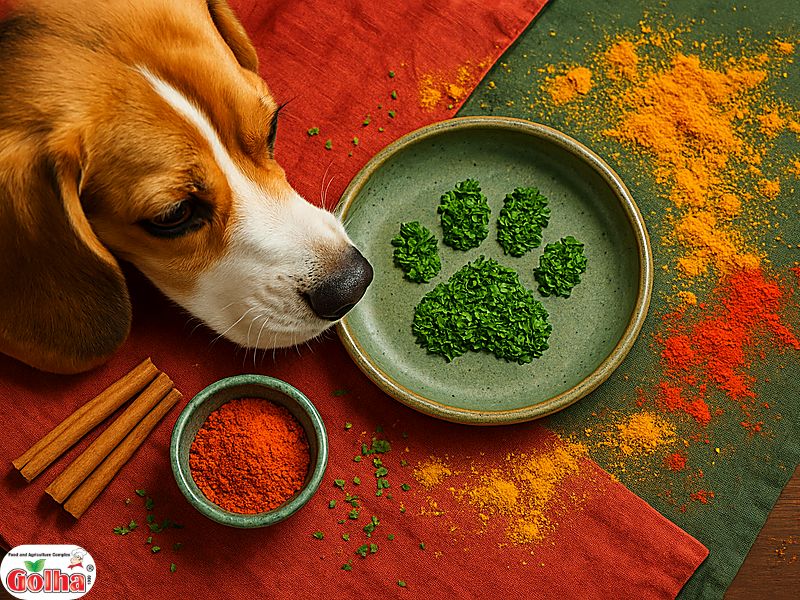
Can Dogs Eat Spicy Food?
No, dogs should not eat spicy food. Spicy foods and spices like chili, ginger (in large amounts), and red pepper can irritate your dog’s digestive system. Consuming these foods can lead to:
- Stomach discomfort and pain: Spicy spices cause burning and inflammation in the dog’s esophagus and stomach.
- Vomiting and diarrhea: The dog's sensitive digestive system cannot properly digest spicy ingredients, leading to vomiting and diarrhea.
- Excessive thirst: Spicy foods can cause extreme thirst in dogs.
In general, it's best to prepare your dog's food without any spices or hot seasonings. The food should be simple and designed for dogs to maintain the health and comfort of their digestive system.
Can Dogs Eat Hot Food?
No, you should never give your dog hot food. Serving hot food can have serious and dangerous consequences:
- Burns in the mouth and esophagus: Hot food can damage the sensitive tissues of your dog’s mouth, tongue, gums, and esophagus, causing painful burns. These burns may even affect the digestive system.
- Damage to the stomach and intestines: Hot food can cause inflammation and burns in the stomach and intestines, leading to severe pain, vomiting, and diarrhea.
- Loss of appetite: The painful experience of eating hot food may make your dog reluctant to eat, leading to a loss of appetite.
Always allow food to cool completely to room temperature before serving it to your dog. If you are feeding canned or homemade food, ensure it has cooled down fully.
In conclusion, always consult with your vet before adding any new food to your dog’s diet to ensure its safety and proper dosage.
Thank you for staying with Golha until the end of this article. We hope this content has been helpful to you.