
 Products

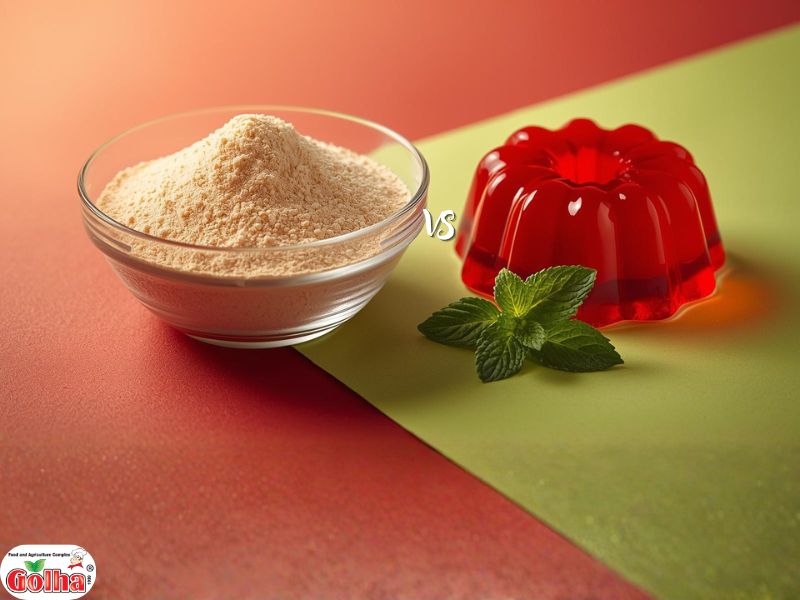
Jelly powder is essentially commercial gelatin (pure gelatin) mixed with additives that give it flavor, color, and sweetness. By dissolving this powder in hot water and then cooling it, you get a wobbly, gel-like dessert.
Gelatin is a natural protein obtained from the hydrolysis of collagen and is mainly extracted from the skin, bones, and cartilage of animals like cows and pigs (and sometimes fish). In essence, gelatin is the processed form of collagen, a crucial structural protein in the animal body.
Gelatin is a colorless, tasteless (or low-flavor), translucent, and odorless substance that does not dissolve in cold water but can absorb up to 10 times its volume in water. This powder only fully dissolves in hot water and, upon cooling, forms a firm, gel-like texture by absorbing water.
Difference Between Gelatin and Jelly Powder
| Feature | Gelatin Powder | Jelly Powder |
|---|---|---|
| Source | Pure collagen protein extracted from the skin, bones, and connective tissues of animals (cow or pig). | A mixture of ingredients including: Animal gelatin (main gelling agent) + Sugar (major component) + Artificial flavorings and food colors + Citric acid. |
| Nutritional Profile | Very high protein (approx. 98% to 99%). Free from carbohydrates and fat. A good source of amino acids. | Very high carbohydrates (sugar) and relatively lower protein. Higher calorie content than pure gelatin. |
| Suitable for Specific Diets | Suitable for low-carb (ketogenic), high-protein, and sugar-free diets (can be used with preferred sweeteners). | Due to high sugar content, unsuitable for low-carb and diabetic diets (unless a diet variety is used). |
| Flavor and Color | Colorless and flavorless; completely neutral and odorless. | Has pre-determined flavors and colors (such as strawberry, pineapple, etc.). |
| Flavor Flexibility | Complete flexibility; you can combine it with any liquid (milk, coffee, broth) and create your desired flavor. | Lacks flexibility; you are limited to the pre-determined flavor on the package. |
| Primary Use | Raw ingredient and additive in homemade desserts, creams, mousses, gummies, and marshmallows. Stabilizing agent in the food industry. | Preparing ready-made and simple jelly desserts, as a coating or layer in cakes and desserts. |
| Method of Use | Requires two steps: Blooming in cold water and then dissolving using a Bain-Marie or indirect heat. | Dissolves and is ready to use simply by adding boiling water (and sometimes cold water) and stirring. |
| Final Texture | The resulting gel is clearer, softer, and more elastic (stretchy). It melts in the mouth and has a delicate texture. | The resulting gel is slightly cloudier and, due to the sugar content, has a firmer and more brittle texture. |
| Gelling Strength (Bloom Strength) | Higher and adjustable strength (manufacturers specify the Bloom degree). | Lower gelling strength because a large percentage of its weight is sugar and additives, not pure gelatin. |
| Gelling Temperature | Low gelling temperature (around 20 c). Sets in the refrigerator and melts at room temperature (around 35 c). | Similar to pure gelatin, but due to additives and high sugar content, it may act slightly differently against heat, though it still melts. |
| Acidity Content | Usually neutral. | Contains citric acid, added to enhance flavor and aid the gelling process. |
As we said, gelatin and jelly powder are not the same and have some differences; below we will provide a complete introduction to each:
Primary Components of Jelly Powder
- Gelatin Powder: This is the main ingredient that causes the dessert to gel and set. Gelatin is a protein extracted from the collagen found in the skin, bones, and cartilage of animals such as cows or pigs.
- Sugar (or Artificial Sweeteners): Added to provide a sweet taste.
- Food Colors: Used to give the jelly attractive and varied colors (like red, green, orange, etc.).
- Artificial or Natural Flavorings (Essences): Used to create various fruit flavors (such as strawberry, orange, cherry, etc.).
- Organic Acids: Such as citric acid, which help with flavor and stability.
How Does Jelly Powder Work?
Jelly powder contains gelatin protein strands that are naturally held together in a triple helix structure. The gelling process takes place in three main stages:
- The Dissolution Stage
- Breaking Bonds: When you dissolve the jelly powder (and the gelatin inside it) in boiling or hot water, the high thermal energy causes the weak bonds that hold the gelatin protein’s triple helix structure at room temperature to break.
- Unwinding Strands: As a result, the gelatin protein strands unwind and float freely as tangled chains in the liquid. At this stage, the jelly is a uniform, clear liquid.
- The Cooling and Network Formation Stage (Using Cold Water and the Refrigerator)
- Forming New Bonds: As the mixture cools down (typically by adding cold water and refrigeration), the gelatin protein chains start to slow down and move less.
- Three-Dimensional Networking: The free protein chains begin to weakly re-bond with each other (hydrogen bonds). However, instead of reforming a complete and regular triple helix, the chains become entangled, forming an irregular, three-dimensional network (matrix).
- The Water Entrapment Stage (Gelling)
- Water Trapped: Once this protein network is formed, water molecules, sugar, color, and flavorings become trapped and imprisoned in the empty spaces between the protein strands.
- Jelly Texture: Consequently, the liquid, which is primarily water, is captured within this protein structure, forming a semi-solid, wobbly substance (hydrogel). This is the familiar wobbly or jelly texture.

Benefits of Using Jelly Powder
Since jelly powder is primarily made from gelatin, and gelatin is a rich source of protein and amino acids, its consumption (especially low-sugar or sugar-free jellies) can offer several health benefits.
- Strengthening Bones and Joints
- Bone Health: Gelatin contains the amino acid lysine, which aids in calcium absorption in the body, playing a role in strengthening and maintaining bone density.
- Joint and Cartilage Support: Due to its collagen content, it can help reduce joint pain and inflammation and be effective in improving arthritis symptoms.
- Skin, Hair, and Nail Care
- Skin Health: Gelatin is rich in collagen. Its consumption can help increase skin elasticity and moisture, prevent skin sagging, and slow down the process of age-related wrinkle formation.
- Hair and Nail Strengthening: The amino acid glycine found in gelatin, which is essential for creating keratin (the main component of hair and nails), can promote growth and prevent hair and nail brittleness.
- Improving Digestive Function
- Food Digestion: Gelatin contains glutamic acid, which converts to glutamine in the body. Glutamine is effective in producing a healthy mucous lining in the stomach and can help with easier food digestion.
- Gut Health: Due to its fiber content (in some jellies or those containing pectin) and gelatin, it can help strengthen the digestive system and improve nutrient absorption.
- Aiding Weight and Blood Sugar Control
- Weight Loss: Gelatin is high in protein and low in calories. Its consumption can quickly induce a feeling of fullness, helping to control overeating and manage weight (especially when consuming low-sugar or sugar-free varieties).
- Blood Sugar Control: The amino acid glycine in gelatin can help manage blood sugar levels in individuals with Type 2 diabetes.
- Boosting Immune System and Improving Sleep
- Immune System Boost: Gelatin contains amino acids like glycine and proline that are beneficial for optimal immune system function and reducing inflammatory responses.
- Improving Sleep Quality: The amino acid tryptophan in jelly helps produce serotonin, which is necessary for good sleep and mood, and glycine can also improve sleep patterns.
Important Note on Ready-Made Jelly Powders: Commercial jelly powders often contain high amounts of sugar and artificial additives. While pure gelatin has health properties, excessive consumption of commercial jellies is not recommended, especially for children and diabetics, due to the high sugar content.
Applications of Jelly Powder
The applications of jelly powder are extensive and not limited to just making dessert. It is widely used in the food, pharmaceutical, cosmetic, and other industries. Its most important applications include:
- Applications in the Food IndustryThis substance is highly versatile due to its gelling, thickening, stabilizing, and binding properties:
- Dessert Preparation:
- Ready-made Jellies: Flavored and colored jelly powders (containing gelatin, sugar, essence, and color).
- Gelatin-Based Desserts: Panna cotta, mousse, creams, and layered desserts.
- Confectionery and Sweets:
- Marshmallows: To create a spongy and voluminous texture.
- Gummies and Chewy Candies: To create a chewy and firm texture.
- Glazes and Glossy Coatings: To create a shiny, smooth covering on cakes, pastries, and fruits.
- Dairy Products:
- Stabilizer and Thickener: Used in yogurt, cream cheese, ice cream, and whipped cream production to prevent water separation and create the desired texture.
- Processed Meats:
- Binder and Filler: Used in some meat products like sausages and ham to improve texture and prevent drying.
- Clarification of Liquids:
- To clear beverages like fruit juices and wine (as a clarifying agent).
- Dessert Preparation:
- Applications in the Pharmaceutical IndustryGelatin is highly important in the medical and pharmaceutical fields due to its biocompatibility and easy digestibility:
- Drug Capsules: The main application of gelatin is in the manufacture of the hard and soft shells of various drug and vitamin capsules.
- Dietary Supplements: Used as a source of collagen or pure gelatin for strengthening joints and bones (usually as pure powder or tablets).
- Biomedical Applications: Used in wound dressings, tissue engineering scaffolds (such as bone and skin tissue regeneration), and as a stabilizer in some vaccines.
- Applications in the Cosmetic and Personal Care Industries: Due to the moisturizing and strengthening properties of collagen, gelatin is used in beauty products:
- Skincare Products: Used in the production of creams, lotions, and face masks as a thickening and moisturizing agent to maintain skin elasticity.
- Haircare Products: Used in shampoos, conditioners, and hair sprays as a conditioning and thickening agent.
- Nail Care Products: Used as a hardener and strengthener for brittle nails.
- Industrial Applications: Gelatin also has diverse industrial uses:
- Photography: Used as a photographic emulsion in the production of photographic films and papers.
- Adhesives: Used in the manufacture of certain types of adhesives.
- Paper Strength Enhancement: Used in the manufacture of certain specialized papers, such as banknote paper.
How to Use Jelly Powder
- Dissolve the Powder: Pour the jelly powder into a container. Add one cup of boiling (very hot) water to it.
- Stir: Stir the mixture well until all powder particles are completely dissolved and a clear, uniform liquid is obtained. Ensure no granules remain.
- Add Cold Water: Add one cup of cold water to the clear mixture and stir briefly until uniform.
- Pour and Cool: Pour the jelly liquid into your desired molds or containers.
- Refrigerate: Place the mold in the refrigerator for at least 4 to 6 hours (preferably overnight) until it is completely set and firm.
Note: Always follow the instructions on the jelly powder packaging. The required amount of water may vary slightly between different brands.
Properties of Gelatin Powder
Due to its protein structure and the presence of amino acids like glycine, proline, and lysine, gelatin powder offers several benefits:
- Strengthening Joints and Bones
- Cartilage and Joint Health: Gelatin contains collagen protein, which makes up of the volume of cartilage. Its consumption helps regenerate cartilage, strengthens bones, and reduces joint pain and stiffness (especially in people with arthritis).
- Calcium Absorption: The amino acid lysine in gelatin aids in calcium absorption in the body, helping to strengthen and maintain bone density.
- Beauty and Health of Skin, Hair, and Nails
- Skin Youthfulness: By increasing collagen production in the body, gelatin helps maintain skin elasticity, firmness, and hydration. This process can reduce wrinkles and slow down the signs of aging.
- Hair Strengthening: Gelatin is a source of keratin, which helps increase hair thickness, promotes better hair growth, and prevents hair loss.
- Nail Strength: It helps strengthen nails against breakage and improves their growth and appearance.
- Improving Digestive System Function
- Gut Health: Gelatin contains glutamic acid, which converts into glutamine in the body. Glutamine helps maintain a healthy mucous lining in the stomach and intestines, aids in repairing the intestinal wall, and facilitates food digestion. It can also be effective in reducing gut inflammation.
- Other Health Benefits
- Immune System Boost: Amino acids in gelatin, including glycine and proline, support optimal immune system function.
- Improved Sleep Quality: The amino acid glycine in gelatin can be effective in improving sleep quality.
- Aiding Weight Loss: Gelatin is high in protein and low in calories. Its consumption leads to a prolonged feeling of fullness, helping to control appetite and, consequently, aid in weight loss.
Applications of Gelatin Powder
Gelatin powder has very extensive uses in various industries, including food, pharmaceutical, and industrial, due to its gelling, thickening, and stabilizing properties. Its applications include:
- Desserts:
- Preparation of various jellies (usually unflavored and uncolored gelatin powder or ready-made jelly powders containing gelatin are used).
- Preparation of puddings and creams (like vanilla or chocolate cream).
- Preparation of Panna Cotta (an Italian dessert with a creamy, jelly-like texture).
- Preparation of layered desserts and those requiring setting (like jelly and ice cream, jelly rolls, or no-bake cheesecakes).
- Confectionery and Candies:
- Manufacture of marshmallows and gummies (as a gelling agent to create an elastic texture).
- Used in chocolate making (as a gelling agent, stabilizer, and emulsifier).
- Preparation of mirror glaze or confectionery jelly for coating cakes and pastries.
- Adding to some cakes, biscuits, and pastries.
- Dairy and Beverages:
- Used as a thickener and stabilizer in products like yogurt (especially low-fat yogurt to prevent water separation) and cream cheese.
- Improving the texture of low-fat dairy products and substituting for the creamy texture of fat.
- Increasing the clarity of fruit juices and beverages (removing cloudiness).
- Other Foods:
- Thickening soups and sauces.
- Adding to canned meats to absorb released water and prevent drying.
- In bread and doughs to strengthen flour protein and increase elasticity.
- Pharmaceutical and Medical Industries:
- Capsule Shells: The most important use is the production of soft and hard drug capsules (as a protective coating for drugs or vitamins).
- Biomedicine: Used in areas such as wound dressings, bone regeneration, tissue engineering, and drug delivery systems.
- Supplements: As an oral supplement for strengthening bones and joints (due to its collagen content) and improving hair and nail health.
- Vaccine Stabilizer: Used as a stabilizer in some vaccines.
- Other Industries:
- Cosmetics and Personal Care:
- Used in the production of face masks, creams, lotions, and shampoos as a thickener and preservative.
- Photography and Film:
- Used in the production of photographic and radiographic films (as a light-sensitive emulsion).
- Miscellaneous Industries:
- Increasing the strength of banknote paper.
- Used in adhesive and match manufacturing.
- Cosmetics and Personal Care:
How to Use Gelatin Powder
The correct use of gelatin powder is crucial for achieving a proper texture in a dessert or cream and must be prepared in two stages: Blooming and Dissolving.
Step 1: Blooming
Blooming means the gelatin particles absorb water to become soft and spongy. This step ensures the gelatin dissolves easily in the next stage and does not form clumps.
- Measure: Use about 60 ml of cold liquid for every 1 tablespoon of gelatin powder.
- Sprinkle: Gently and evenly sprinkle the gelatin powder over the surface of the cold water. Crucially, do not pour the water onto the gelatin powder; sprinkle the powder onto the water.
- Wait: Allow the mixture to stand at room temperature for 5 to 10 minutes. During this time, the gelatin will absorb the water and become spongy and swollen, which is referred to as bloomed gelatin.
Step 2: Dissolving
After blooming, the gelatin is heated to fully dissolve it.
- Bain-Marie Method (Warm Water Bath): Place the bowl containing the bloomed gelatin over the mouth of a pot of boiling water (the water should not touch the bottom of the gelatin bowl).
- Stir: Stir gently until the gelatin is completely clear and liquid, with no particles remaining.
Important Note: Gelatin should not be placed directly on heat or brought to a boil, as boiling reduces its gelling power.
- Mix: Add the clear, liquid gelatin to the main dessert liquid (such as warm cream, milk, or juice) and stir immediately to distribute it evenly throughout the dessert.
Overall, gelatin and jelly powder are not the same, and their primary difference lies in their composition. Gelatin is the main component of jelly powder, but jelly powder itself is a processed and sweetened mixture.
Thank you for sticking with Golha until the end of this article; we hope this content was useful to you.