
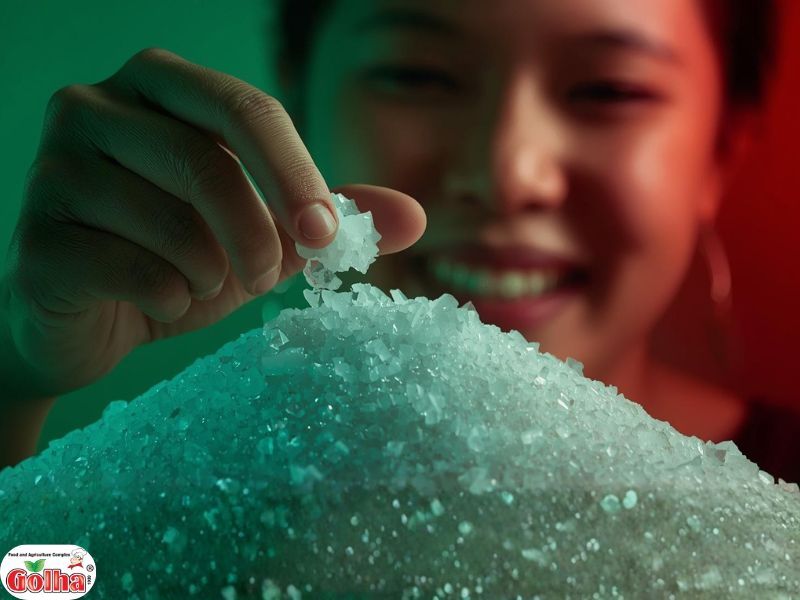
Salt generally refers to ionic chemical compounds formed from the reaction of an acid and a base. However, in everyday use, salt primarily refers to edible salt or table salt.
Edible salt, which is the most common type of salt, is chemically called Sodium Chloride and is an ionic compound with the chemical formula (NaCl). Salt is a crystalline, white, and odorless mineral substance with a salty taste. It is mainly extracted from salt mines (as rock salt or halite) or obtained by evaporating the water from seas and salty lakes.
what are the properties of salt
1. Chemical and Structural Properties of Edible Salt
Salt in its solid state does not conduct electricity. But when you dissolve it in water, an interesting thing happens: the ions separate and move freely in the water, a property we call a strong electrolyte. This electrolyte property of salt is what makes it highly vital in our bodies. In our bodies, blood and cellular fluids act as the water, and sodium and chloride ions move freely in them to transmit electrical signals (nerve impulses) and maintain water balance.
2. Importance of Salt for the Body and Health (Biological Properties)
Balance and Body Function:
| Item | Explanation of Salt’s Benefits |
|---|---|
| Water Reabsorption (Hydration) | Salt (especially the oral solution of water, salt, and glucose), as an essential electrolyte, helps the body more quickly reabsorb lost water and minerals (such as during diarrhea or heavy sweating) and combat dehydration. |
| Muscle Relief (Muscle Cramps) | Salt helps regulate proper muscle function and the transmission of nerve signals. Dissolving salt in a bathtub or basin of water and placing the body or feet in it can help soothe soreness, eliminate lactic acid, and reduce muscle cramps, and is also suggested for rheumatic pains. |
| Aid in Treating Cystic Fibrosis | In this genetic disorder, the body loses large amounts of salt and minerals through sweat. Consuming salt-containing foods can be beneficial to compensate for this loss and high sodium and chloride deficiency. |
| Facilitating Sleep and Treating Depression/Anxiety | Salt therapy (such as salt baths) helps create a sense of calm, reducing stress and anxiety. In traditional medicine, using a salt water bath is recommended for dispelling negative energy and fostering mental and psychological calm, which can indirectly affect the improvement of sleep quality and mood. |
| Preventing Osteoporosis | Specific salts (like Himalayan Pink Salt) contain minerals beneficial for bone and joint health such as calcium, magnesium, and potassium, which may help reduce the risk of joint problems. |
| Strengthening the Immune System | Some claim that the properties of salt therapy help detoxify the body and indirectly strengthen the immune system, but direct scientific evidence requires further study in this regard. |
| Heart Health | The sodium in salt is essential for regulating blood pressure and blood volume, but it must be noted that excessive salt consumption is the primary risk factor for high blood pressure and heart disease. For heart health, salt intake must be balanced. |

Benefits for the Skin and Body Systems:
| Item | Explanation of Salt’s Benefits |
|---|---|
| Sore Throat and Sinusitis Relief | Gargling with warm salt water can reduce throat irritation and pain and help soothe upper respiratory tract infections. Also, nasal rinsing with salt water (saline solution) is an effective method for relieving nasal congestion and sinusitis symptoms and can help cleanse the sinuses. |
| Improving Respiratory Problems (Asthma, Bronchitis) | Halotherapy (salt therapy), or exposure to environments filled with fine salt particles, is used as a complementary method to reduce inflammation of the respiratory tract, loosen mucus, and facilitate breathing in people suffering from diseases such as asthma, chronic bronchitis, allergies, and symptoms resulting from smoking. |
| Reducing Eczema and Psoriasis | Salt baths (especially sea or mineral salts) can help reduce inflammation, redness, scaling, and itching caused by these chronic skin diseases. Salt has anti-inflammatory and antimicrobial properties and aids in skin repair and regeneration. |
| Facial Exfoliation (Scrub) | Coarse-grained salt can act as a natural exfoliator by removing dead skin cells (epidermis), leading to fresh and vibrant skin. |
| Stress Reduction | Salt therapy and using a salt water bath are widely recognized as a technique for reducing fatigue and stress and helping to create a sense of calm in the body. |
| Dental Hygiene, Mouth Sores, and Wound Cleansing | Salt has antimicrobial and antibacterial properties. Rinsing the mouth with salt water is beneficial for reducing gum inflammation and soothing mouth sores. Also, a dilute salt water solution can be used for the initial rinsing and cleaning of superficial wounds. |
| Treating Toe Wounds | Placing the foot in a warm salt water solution can help reduce swelling, tenderness, and infections caused by ingrown toenails (mostly in the big toe). |
Fluid Balance and Osmotic Pressure Regulation:
- Water Control: The body constantly tries to maintain the concentration of sodium (and consequently salt) in extracellular fluids (such as plasma and interstitial fluid) within a very narrow range.
- Osmotic Pressure: Sodium is the main ion in regulating osmotic pressure. This pressure is the force that controls the movement of water between cells and the fluids surrounding them. If the sodium concentration outside the cell is high, water exits the cell, and the cell shrinks. Conversely, if sodium is low, water enters the cell, causing swelling.
- Blood Pressure: Since sodium regulates the volume of body fluids (especially blood volume), it has a direct and significant impact on blood pressure. Excessive consumption can lead to water retention and an increase in blood volume, resulting in an increase in blood pressure.
Nerve Transmission and Muscle Contraction
The function of the nervous and muscular system is heavily dependent on sodium:
- Sodium-Potassium Pump: Nerve and muscle cells have specific protein pumps called the sodium-potassium pump. This pump constantly pumps sodium ions out and potassium ions into the cell to create an electrical charge difference on both sides of the cell membrane (resting potential).
- Action Potential: When a nerve signal is received, sodium channels open, and Na ions rapidly rush into the cell. This sudden change in electrical charge is the action potential or nerve signal that causes muscle contraction or information transfer.
Chloride’s Role in Digestion
- Production of Stomach Acid (HCl): Chloride ions are essential for the production of stomach acid or hydrochloric acid. HCl is vital for breaking down proteins (digestion) and killing pathogenic agents that enter the body through food.
- Nutrient Absorption: Sodium helps in the absorption of glucose (sugar) and amino acids in the intestine.
3. Properties in Cooking and Food Preservation
Flavor Enhancement and Bitterness Inhibition
- Bitterness Suppression: Salt in low concentrations can selectively inhibit the bitterness receptors on the tongue, allowing other flavors (especially sweetness and umami) to be more prominent. This is why adding a little salt to caramel or coffee can improve their taste.
- Increased Flavor Perception: By increasing saliva secretion and opening the taste buds, salt improves our general perception of flavor.
Food Preservation Mechanism (Salting/Curing)
- Osmotic Dehydration: By creating a very concentrated environment around the food, salt causes water to exit the cells of microbes and bacteria through the process of osmosis. This dehydration, which is called salting or curing, stops or reduces the growth of microorganisms and significantly increases the shelf life of foods like meat and fish.
Texture and Aroma
- Texture and Structure: In bread baking, salt helps strengthen the gluten network, giving the dough stability and elasticity.
- Color and Aroma: In the processing of meat and vegetables, salt can help preserve the natural color of the food.
4. Salt Properties in Industrial and Environmental Applications
The consumption of salt in various industries is widespread and diverse:
| Industrial Application | Description |
|---|---|
| Basic Chemical Industries | Raw material in the chlor-alkali process for the production of chlorine, sodium hydroxide (NaOH or caustic soda), and hydrogen. |
| Melting Snow and Ice | Salt spreading in winter lowers the freezing point of water and prevents the formation of ice on roads. |
| Water Purification | Used in water softening systems to regenerate ion-exchange resins to remove hardness ions (calcium and magnesium). |
| Textile and Leather Industries | Used in dyeing and bleaching fabrics and in the leather tanning process to preserve raw materials. |
Adverse Effects of Salt
As mentioned in the properties section, salt (sodium) is essential for life, but its excessive consumption, which is common in most societies, can seriously endanger health. The adverse effects of high salt intake are divided into short-term and long-term categories, which are fully explained here:
1. Long-Term and Life-Threatening Effects (Heart, Vessels, and Kidneys)
The most common and serious dangers of high salt intake relate to its effect on the cardiovascular system and kidneys.
Increased Blood Pressure (The Silent Killer)
- Mechanism of Action: Excess sodium in the blood causes the body to retain more water in the blood vessels to maintain osmotic balance. The increase in water volume leads to an increase in blood volume and, consequently, exerts extra pressure on the vessel walls.
- Risk: High blood pressure (Hypertension) is known as the “silent killer” because it is often asymptomatic but chronically damages the heart and vessels.

Heart Disease and Stroke
- Vascular Damage: High blood pressure gradually makes the walls of blood vessels stiff and inflexible (atherosclerosis). This disrupts blood flow and severely increases the risk of stroke (caused by blockage or rupture of cerebral vessels) and heart attack.
- Heart Failure: The heart must work harder to pump the extra blood volume at high pressure. This continuous strain causes the heart muscles to thicken (hypertrophy) and can lead to heart failure and valve problems.
Kidney Dysfunction and Kidney Stones
- Kidney Overload: The kidneys are primarily responsible for filtering and excreting excess sodium from the blood. Chronic high salt consumption places great strain on these organs and reduces their ability to filter the blood, which can lead to chronic kidney disease.
- Osteoporosis and Kidney Stones: High sodium consumption increases the excretion of calcium through urine. Increased calcium excretion over the long term leads to osteoporosis (thinning of the bones) and also increases the risk of forming kidney stones (often calcium-based).
2. Effects on the Digestive and Nervous Systems
High salt consumption can also damage the digestive and nervous systems:
- Stomach Cancer: Studies show that excessive salt consumption can damage the gastric mucosa and increase the risk of stomach cancer. High salt may facilitate the growth of the Helicobacter pylori bacteria (a cause of ulcers and stomach cancer).
- Headaches: High sodium can cause cellular dehydration and increased pressure in the brain’s blood vessels, resulting in headaches caused by high sodium.
- Dementia: Some research has suggested a link between a high-salt diet and an increased risk of dementia and reduced cognitive function.
3. Short-Term Effects and Daily Symptoms
These symptoms appear immediately after consuming high-salt foods:
- Bloating and Water Retention (Edema): This is the most common short-term side effect. Sodium retains water in the body (especially in tissues). This causes a feeling of swelling, stomach tightness, and puffiness in the areas around the eyes, hands, and feet.
- Intense Thirst: An increase in sodium concentration in the blood sends a signal to the brain that water is needed to dilute the excess sodium and restore osmotic balance.
- Insomnia and Reduced Sleep Quality: High sodium intake (especially at night) can disrupt sleep, causing frequent waking or reduced sleep quality.
- Fatigue and Weakness: Electrolyte imbalance and pressure on the kidneys can lead to a feeling of general fatigue and weakness.
Recommended Salt Intake Limit
Global health organizations recommend that adults consume less than 5 grams of salt per day (equivalent to one small teaspoon), and this amount includes all salt intake from processed foods, restaurants, and the salt we add to food.

Which Type of Salt is Best?
The main types of edible salts are: Refined (Table) Salt, Kosher Salt, Sea Salt, and Himalayan Salt (Rock Salt). From a nutritional perspective, the best type of salt is refined iodized salt, as it provides the body’s necessary iodine and is free of impurities. The main difference between types of salt is mostly in their texture, color, and minor taste (due to trace minerals), not in their sodium content.
Main Types of Edible Salt
| Type of Salt | Extraction Method and Characteristics | Sodium Content | Nutritional Importance |
|---|---|---|---|
| 1. Refined (Table) Salt | Extracted from salt mines or brine and then refined to remove all minerals and impurities, which has a fine and uniform texture. | Approximately 99% Sodium Chloride (NaCl) | Is usually iodized, which is essential for thyroid function and brain development. |
| 2. Kosher Salt | In the form of coarse and flat crystals. Due to its shape, it has a larger surface area and dissolves quickly. The name “Kosher” comes from its use in preparing meat according to Jewish food laws. | Approximately 99% Sodium Chloride (NaCl) | Is usually non-iodized. |
| 3. Sea Salt | Obtained from the evaporation of ocean water or brine. Contains very trace amounts of minerals such as magnesium, calcium, and potassium, which may give it a different color and taste. | Approximately 98% Sodium Chloride (NaCl) | Its trace minerals are negligible and it often has little or no iodine. |
| 4. Himalayan Salt (Rock Salt) | Extracted from salt mines in Pakistan. Contains iron oxide, which gives it a pink color. Due to minimal processing, it has more trace minerals than table salt, but its sodium content is still dominant. | Approximately 97-98% Sodium Chloride (NaCl) | This salt is also non-iodized, and its minerals do not have a significant impact on general health. |
| 5. Sodium-Free/Low-Sodium Salt | Salt in which a portion of the sodium is replaced with potassium chloride. | Has lower sodium. | Is beneficial for people with high blood pressure who need to reduce sodium intake and increase potassium (but should be consumed with a doctor’s consultation). |
Best Type of Salt from a Health and Culinary Perspective
A. From a Health (Nutritional) Viewpoint
Refined Iodized Salt is the best choice for general health.
- Iodine Supply: The most important reason is that it is iodized. Iodine is an essential nutrient that the body cannot produce, and its deficiency causes thyroid dysfunction, metabolic problems, and in children can lead to mental retardation. Iodized salt is a simple and effective solution for preventing iodine deficiency at the community level.
- High Purity: The refining process removes impurities and potential contaminants (such as microplastics in some sea salts).
Key Note: Although sea or Himalayan salts contain magnesium and potassium, the amount of these minerals is so small that it cannot make a significant difference in your diet. The primary source of potassium and magnesium should be vegetables, fruits, and legumes.
B. From a Culinary (Texture) Viewpoint
Kosher Salt is the best choice for professional cooking.
- Better Control: Its coarse crystals allow the chef to better control the amount of salt and spread it more easily over food items.
- Effect on Texture: The coarseness of the grains is ideal for salting meat or seasoning the surface of breads and pretzels.
- Pure Flavor: Since it is often free of Anti-Caking Agents, some chefs report a purer flavor from it.
 Products